Product details
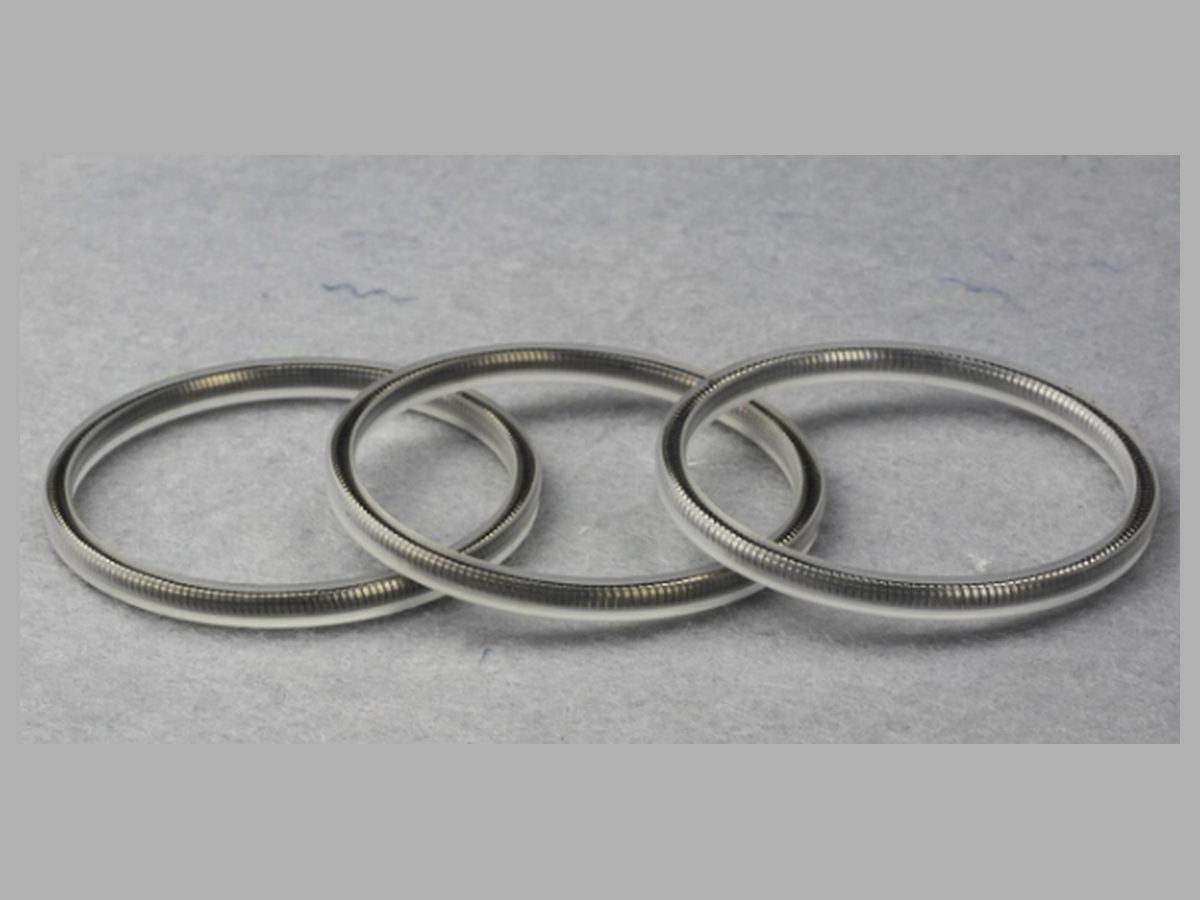
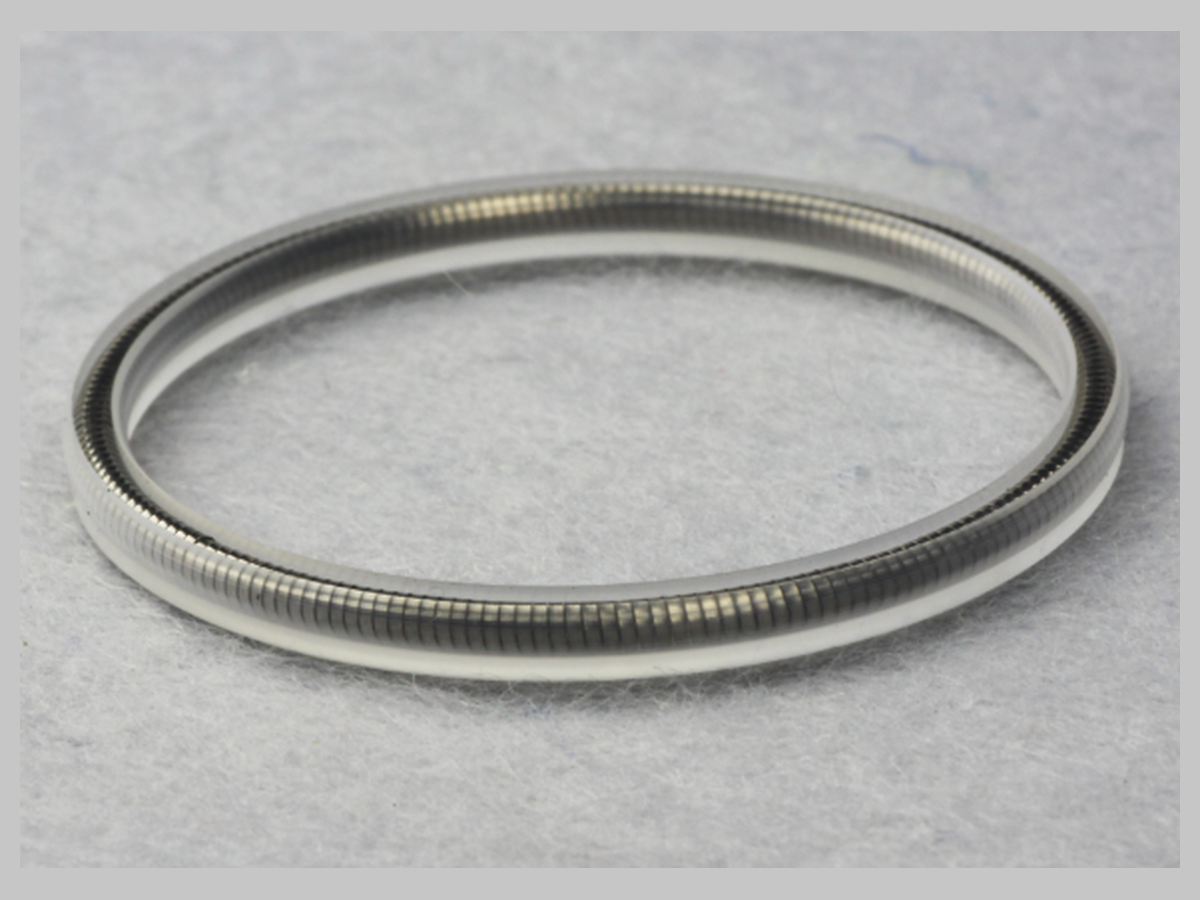
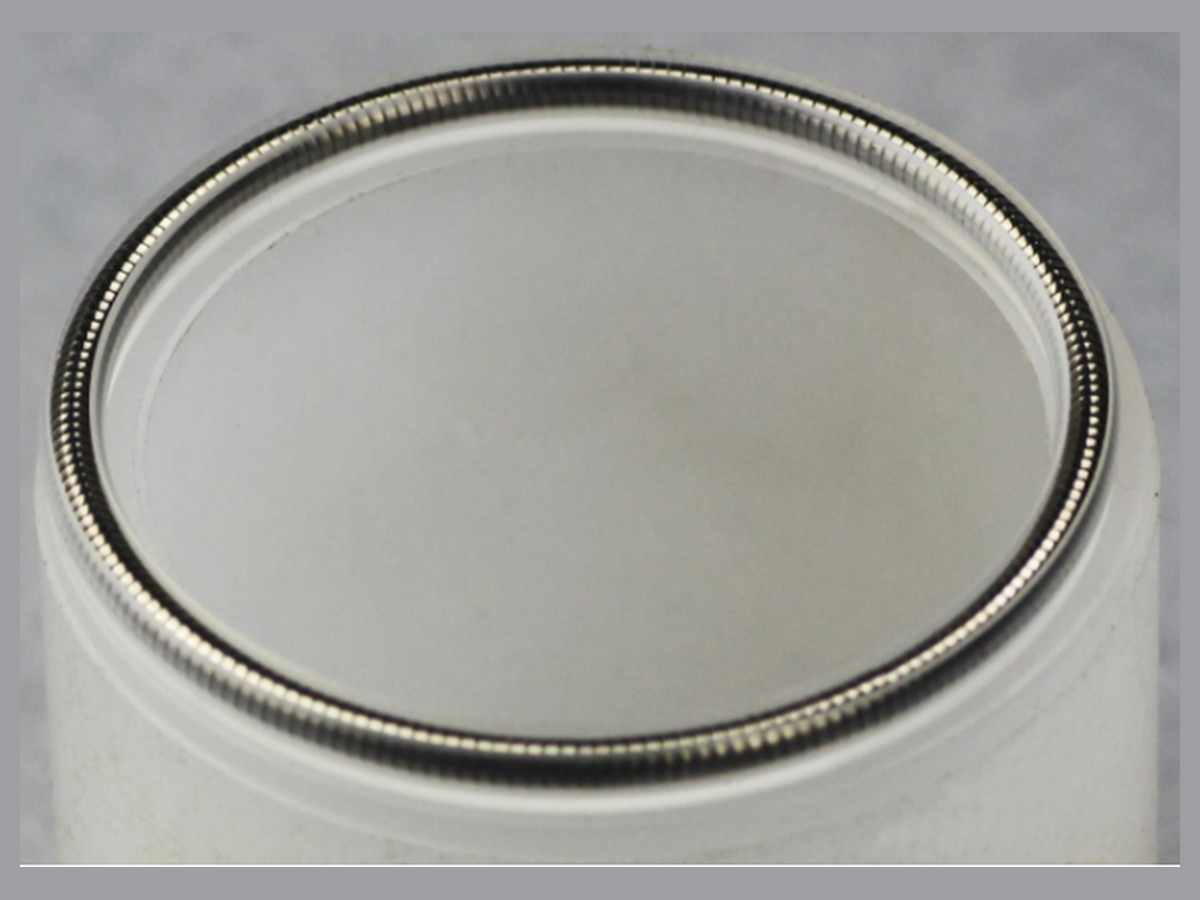
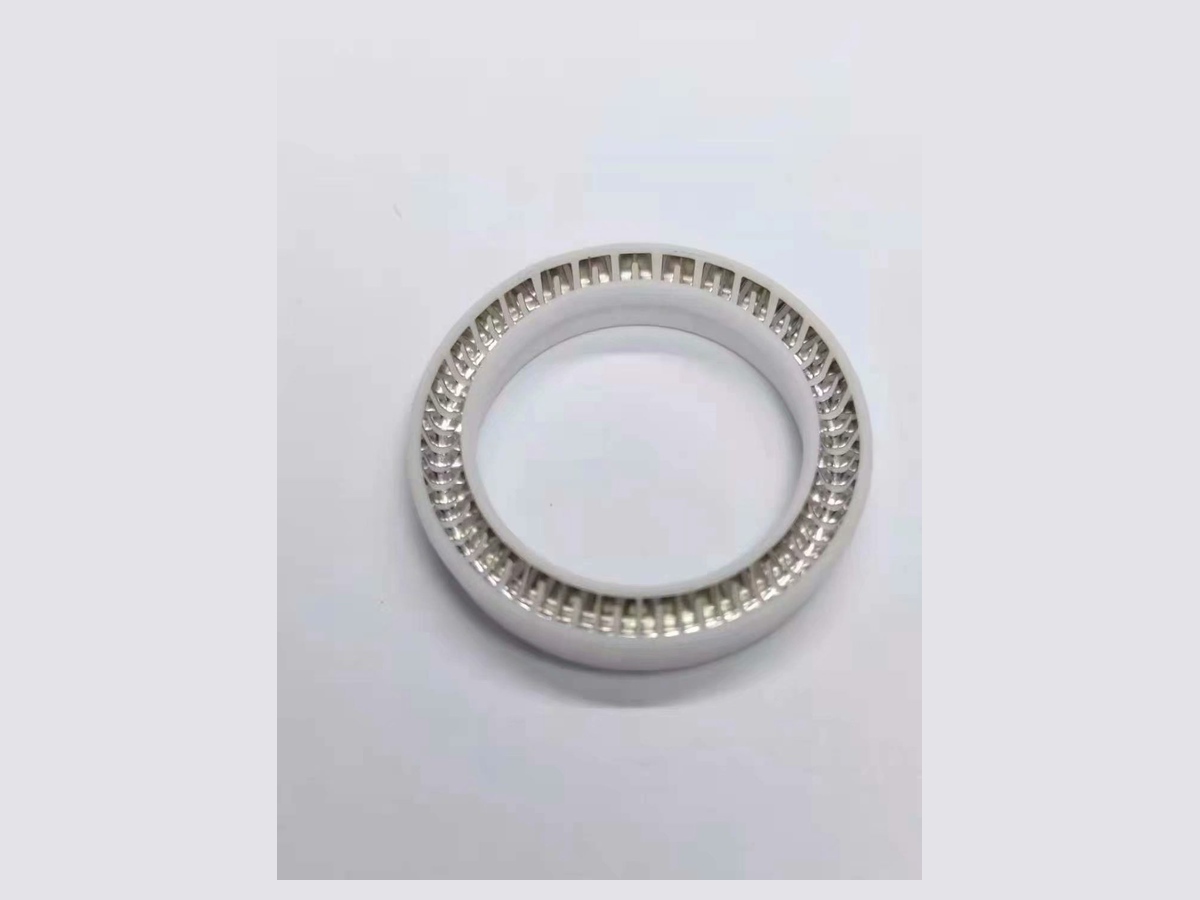
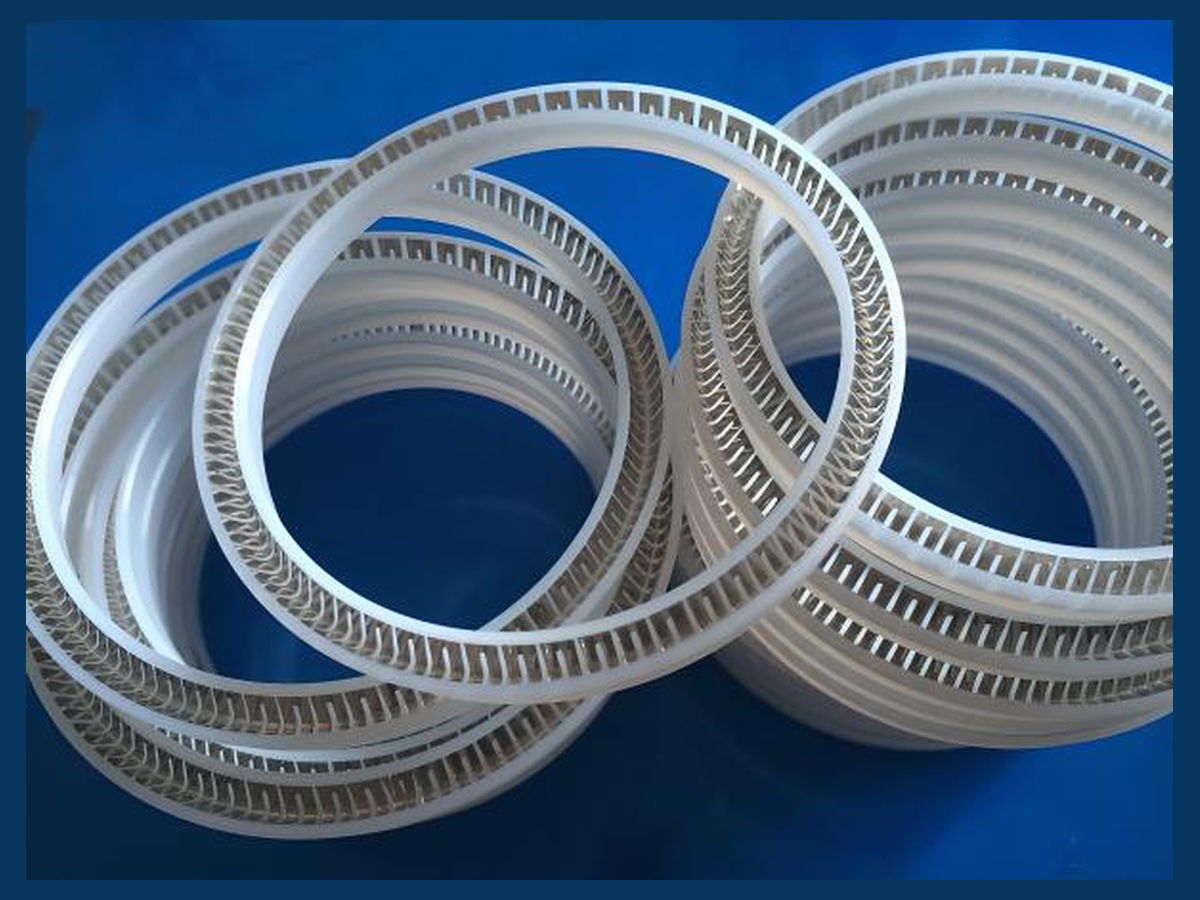
Sealtis supplies custom spring-energized seal solutions built around the requirements of your equipment interface. A polymer sealing jacket and a spring energizer provide the basic configuration. PTFE compound, spring design and finished dimensions are selected for the application rather than specified by appearance alone.
Define the sealing interface
Provide the shaft or bore diameter, groove cross-section, mating surfaces and pressure direction. Identify whether the interface is static, reciprocating or rotary, together with stroke or speed and the available installation space.
Material and spring selection
Discuss process media, cleaning chemicals, temperature range and friction requirements with Sealtis. Specify any restrictions on fillers or spring materials. Photographs illustrate product configurations; the ordered material and dimensions are confirmed in the quotation and drawing.
Information for a quotation
- Seal and gland drawings, or an existing sample with reference dimensions
- Operating and cleaning media, pressure and temperature conditions
- Movement, installation method and required service conditions
- Prototype quantity, production quantity and documentation needs
Frequently Asked Questions
Which dimensions are needed to select the sealing section?
Provide the shaft or bore diameter, groove width and depth, tolerances and pressure direction. Include a section drawing so the sealing lips, spring space and assembly clearance can be reviewed together.
How should the jacket compound and spring material be specified?
List the process and cleaning chemicals, concentrations, exposure times and temperatures. Ask for the proposed jacket compound and spring material to be identified in the quotation; color alone does not identify either material.
Does a stronger spring always give a better seal?
Higher spring loading can increase contact force, friction and wear. State the leakage target and allowable starting force or torque so spring loading is assessed against both sealing and motion requirements.
Can the same configuration be used for static, reciprocating and rotary duty?
Do not assume interchangeability. Identify the motion, stroke or surface speed, duty cycle and lubrication. For rotary service, discuss heat generation and the mating surface as part of the design review.
What should be checked on the mating parts?
Supply the surface finish, hardness or coating specification, alignment tolerance and operating clearance. Ask Sealtis to review these with the pressure and temperature envelope before agreeing the seal drawing.
How can an existing sample be used for a replacement quotation?
Send the sample, photographs and available mating-part drawings. Identify worn or damaged areas and agree which dimensions are design dimensions. Define prototype inspection and equipment testing before accepting a replacement.
Request a quotation
Send your drawing and quantity to [email protected] or contact Sealtis on WhatsApp.
Request a quotation
Include your application, dimensions or drawing, quantity and delivery destination.